How to size an off-grid solar system for a wellhead
Load list, days of autonomy and derating for desert heat, step by step.
Selecting glands, lugs and enclosures for desert and hazardous-area installations.
Many faults we are called to on remote sites start at a cable entry: dust inside a panel, a loose armour clamp, or a gland that does not match the enclosure's certification.
Measure the cable's outer and inner sheath diameters and check whether it is armoured, and which armour type. An armoured cable needs a gland that clamps and earths the armour; a seal that is too large for the sheath will leak dust within months.
An IP66 enclosure is only IP66 if every entry is sealed to the same rating. Unused entries need certified stopping plugs, not tape.
An Ex d enclosure needs Ex d glands, and some installations need barrier glands that seal around each conductor. The gland certificate (ATEX or IECEx) should be in the handover file with the enclosure's.
Choose polymer parts rated for UV and high temperature, or nickel-plated brass. Route cables so glands are not loaded by the cable's weight, and shade panels where possible.
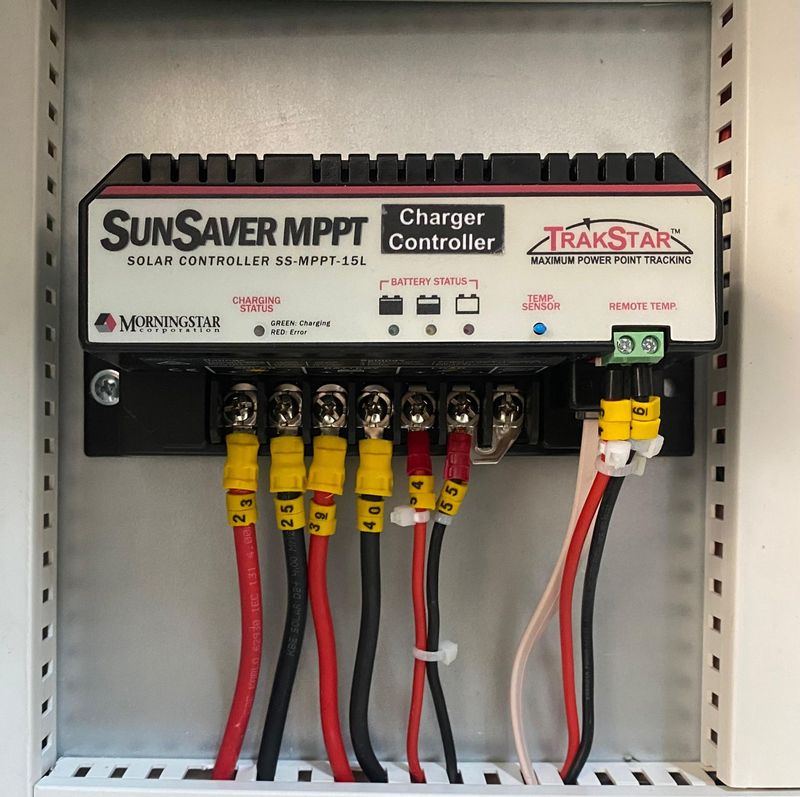
Label every core with ferrules that match the drawings and tighten terminals to the manufacturer's torque. It takes minutes during installation and saves hours of fault finding later.
Load list, days of autonomy and derating for desert heat, step by step.
When MPPT pays for itself, and when a PWM controller is the better choice.
Send us the load and the site conditions. An engineer replies, not a call centre.